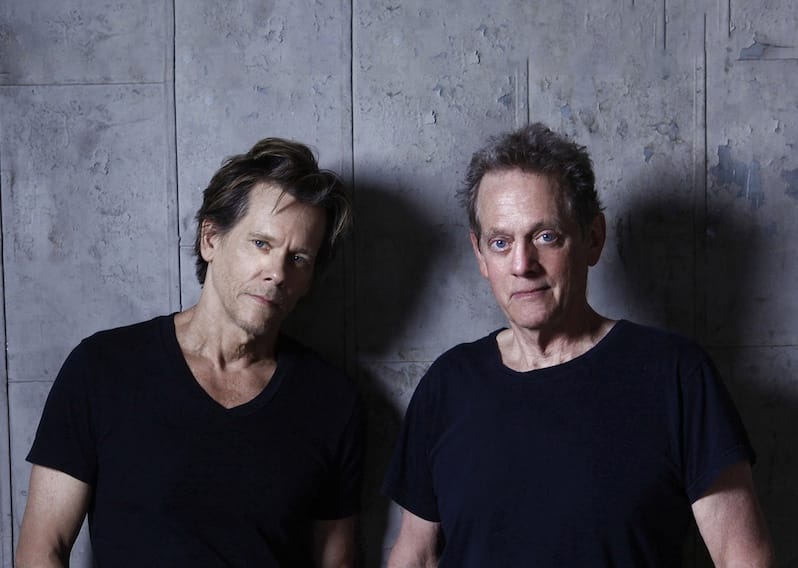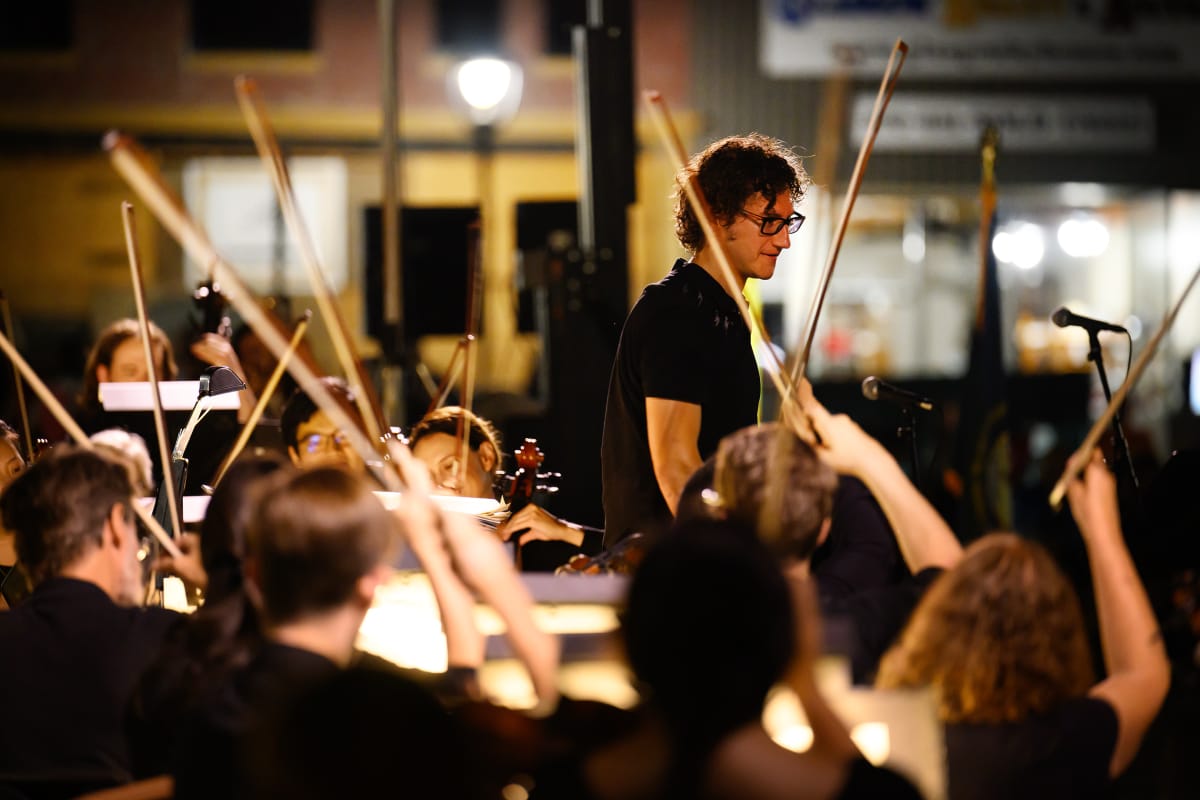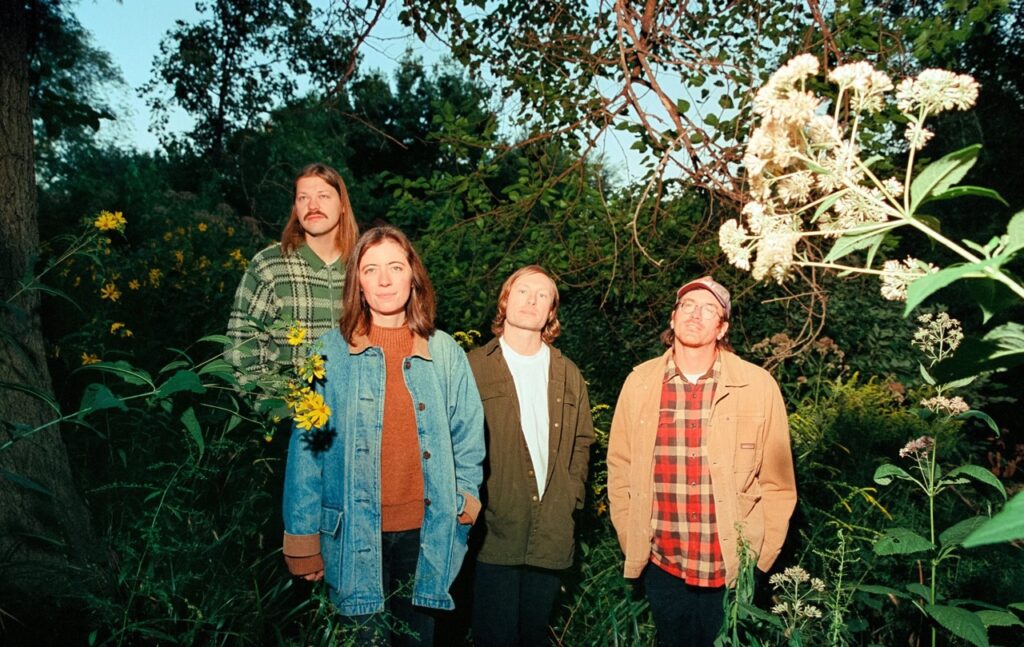
Although Ratboys is called a Chicago band, their roots grew firmly in Louisville soil before officially forming in South Bend, Indiana, when singer and rhythm guitarist Julia Steiner and her partner, lead guitarist Dave Sagan, were students at The University of Notre Dame. They moved to Chicago in 2015. Soon after, members Marcus Nuccio (drums) and Sean Neumann (bass and backing vocals) joined, making the duo a quartet.
Ratboys are making their way back to Louisville with their show at Zanzabar (2100 S. Preston St.) on Friday, March 13. Tickets can be purchased HERE.
Louisville Independent got a chance to sit down with Julia Steiner on a video call to talk about music, the world, and coming back to Louisville
LIO: Everywhere that I read about Rat Boys, it’s mentioned as a Chicago band, but I know that you spent a significant amount of time in Louisville. Tell me about your connection to the city? Favorite restaurant?
Julia Steiner: I was born in Louisville and lived there until I was 18. Spent my entire life in town — my whole childhood and adolescence. It was very much my first home, and unfortunately, I didn’t really know that many places that did shows when I was a kid. Grew up and eventually found some cool DIY spots, kind of as I was leaving. Then learned so much about Louisville’s music history after I was gone. It’s always nice to come back and get to see some of my old favorite spots. I mean, I grew up going to Ear X-tacy. That was my favorite place in the world, and still sad that it’s gone. But, you know, went to shows at Headliners and back in the day at Spinelli’s and stuff.
Zanzabar is a place we’ve played a few times now and really enjoy going there, too. They got great pinball and good food. We were just in Louisville to do a little radio session last month, and I got to take my bandmates to Heart and Soy, which is one of my favorites.
You’ve used your music for social change and to raise money for issues before. How important do you feel it is for artists to use their platform to speak for those who can’t speak for themselves, or to use their platform to speak about social issues?
I think that’s of the utmost importance to us. We started recording the new album in the shadow of Trump’s re-election, and we knew it was gonna be, to put it lightly or politely, a very, very complicated time to be an American band.
Unfortunately, things have kind of spiraled in a way that is just very real and very scary for a lot of vulnerable communities in the U.S., mainly the immigrant community and any brown people, especially Hispanics, right now are extremely targeted in a lawless way. Whatever we can do to shine a light on that and just acknowledge that — art doesn’t happen in a vacuum. I think it’s really important to hold that mirror up to our society. And it’s not like we’re apart from that. We feel like we are a part of the communities that we visit on tour, at least for one night. So whatever we can do to bring people together and speak truthfully about the world outside of the show is something that’s really important to us, so that’s what we’re trying to do this year
Tell me about Singing to an Empty Chair, the new project.
This record is a big one for us. The question is, ‘How do you connect with someone when a relationship has been frayed by distance, conflict, or miscommunication?’ And the overarching, um, sort of context for this record is extending a hand and gesturing towards some sort of reconnection or healing of a damaged relationship.
The album title comes from this exercise that my therapist recommended to me, which is called ‘the empty chair technique,’ where you basically sit across from a chair that no one is sitting in and you simulate a conversation as if someone was there in the room, and sort of approach a difficult conversation in a more comfortable, low stakes, practice environment.
I did that, and it was really helpful for me. I recorded my experience, and it clarified some things and helped me get over the hump — writing one of the songs on the album, “Just Want You to Know the Truth,” where I referenced that exercise.
I think it’s something anyone and everyone could do. It’s free and, maybe not easy, but worth doing for sure.
“Burn It Down” stands out with its calls for political change. With the current news about the deep involvement of important people around the world that seem to be involved with the Epstein files, how does it make you feel about a call to create a new system?
God, it is so disappointing that this continues to be relevant and timely in new and frankly, extremely disturbing ways. We started writing this song in 2020 when I felt very helpless at home in Chicago in the lockdown, while watching everything unfolding in Minneapolis in reaction to the murder of George Floyd.
And that feeling of when an institution or a system is clearly just so corrupt and rotten and hateful and biased, to its core, that sometimes it feels like the most rational and productive and merciful way to move forward would be to just start over.
Having a light shine on that in 2020, something that’s been going on for centuries in this country. But seeing it unfold on the internet, and this is still happening six years later — racist policing hasn’t changed, and now we have these extra lights shine on unlawful immigration enforcement and the Epstein files, which are being covered up before our eyes, and it feels like there’s nothing we can do about it. It just, it feels like a song that continues to apply in our country and for humanity. But it doesn’t feel like total destruction without the sense of hope. That’s our goal for that song. It feels like a call to action and the idea that maybe we can build something better instead of the broken things we have now. And we wanted to leave it open, not for lack of wanting to talk about these things specifically, but it unfortunately does allow it to continue to make sense with the new corruption that’s unfolding. Ugh!
What do you hope that, you know, what do you hope you bring live that fans will not get from your recording?
I think for one, you know, our guitar player, Dave, is an incredibly instinctual player. He plays differently every night, which I’m always amazed by because I have my parts that I stick to. He really mixes it up. It’s never the same thing twice. Our drummer, Marcus, is similar in that way. I think we’re not afraid to lean into like the big contrasts on this record as far as the loudest loud parts and the quiet moments, too, like, just really stretching that. And I think experiencing that in the room is just always gonna be a little bit more powerful and immediate than listening to the record.
Don’t Miss Ratboys Friday, March 13, at Zanzabar.